

New Zealand vs India 2nd T20I 2026: Match Preview, Conditions and Prediction
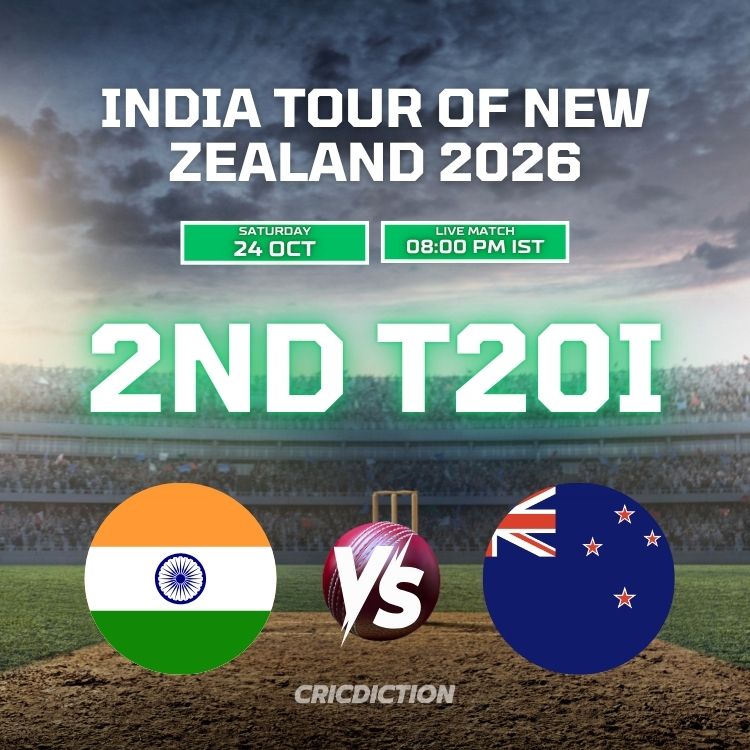
New Zealand and India are set to meet in the second T20 International of India’s 2026 tour, with the contest scheduled for October 24 at Hagley Oval in Christchurch. The match is listed to begin at 7:00 am GMT, 8:30 pm IST and 8:00 pm local time. With the series moving into its next chapter, both teams will be looking to make the most of the conditions and build momentum in the fast-paced format.
Hagley Oval is a distinctive setting for international cricket. Its Christchurch location, open surroundings and usually lively atmosphere can make conditions a key part of the story. For fans following the NZ vs IND match prediction, the central questions will include how the surface behaves, whether the ball moves early, and how effectively each side adapts as the innings progresses.
Match Details
Match: New Zealand vs India, 2nd T20I
Tour: India tour of New Zealand 2026
Date: October 24, 2026
Start time: 7:00 am GMT / 8:30 pm IST / 8:00 pm local time
Venue: Hagley Oval, Christchurch
Why the Second T20I Matters
The second match of a T20I series can quickly shape the direction of the contest. A team that starts strongly has an opportunity to reinforce its approach, while the side under pressure may need to make tactical adjustments. That could mean changing the batting order, selecting a different bowling combination or placing greater emphasis on match-ups against particular hitters.
For New Zealand, familiar surroundings may offer a useful reference point when planning how to use the conditions. India, meanwhile, will need to respond to the challenge of playing away from home, where local knowledge and the timing of weather changes can influence decisions. In a format where a few overs often determine the result, flexibility can matter as much as a strong starting plan.
Hagley Oval Pitch and Christchurch Conditions
Hagley Oval has hosted a range of international cricket, and conditions can vary from match to match. The surface, grass coverage and weather on the day will all affect how the pitch plays. If there is early assistance for seam bowlers, the powerplay could become a particularly important phase. Batters may need to begin with careful shot selection before looking to accelerate once they have settled.
As the match develops, the pitch may offer a more reliable platform for stroke-making—or it may continue to reward disciplined bowling. Teams will therefore need to assess conditions quickly rather than rely on assumptions based on previous games at the venue. The toss could also influence strategy, especially if the captains believe the surface will change under lights or that chasing will be more comfortable.
Powerplay: A crucial early test
The first six overs could set the tone for both innings. New Zealand’s bowlers will look to create pressure with accurate lines and lengths, while India’s top order will aim to avoid losing early wickets without allowing the scoring rate to stall. The same challenge will apply when New Zealand bat: a controlled start can give the middle order more freedom later.
Middle overs: Managing risk and momentum
Once the field spreads, the contest often shifts to strike rotation, boundary options and the use of spin. Batters who can find gaps and keep the scoreboard moving reduce the pressure to take high-risk shots. For the bowling side, well-timed changes and smart field placements can interrupt partnerships before they become match-defining.
Death overs: Execution under pressure
The final overs may decide whether a competitive total becomes a winning one. Yorkers, slower deliveries and changes of pace can be effective, but only when delivered with control. Batters will look to identify scoring areas early and choose their moments carefully. In a close T20I, one expensive over or a late burst of boundaries can dramatically shift the prediction.
Key Factors That Could Shape the Match
Early wickets: Losing several batters in the powerplay can force a side to rebuild rather than attack. On the other hand, a strong opening partnership can create the platform needed for a high finish.
Bowling discipline: T20 cricket rewards bowlers who limit easy scoring opportunities. Extras and loose deliveries can quickly undo a well-planned spell, especially on a ground where batters find momentum.
Fielding standards: A sharp catch, direct hit or boundary-saving stop can have an outsized impact. New Zealand and India both need to make their fielding count in a format with little room for recovery.
Adaptability: The team that reads the pitch and conditions most accurately may gain an advantage. A flexible batting order and bowling plans that respond to the match situation could prove decisive.
NZ vs IND Match Prediction
Any NZ vs IND prediction should be treated as an informed assessment rather than a certainty. The result will depend on the final team selections, the toss, the condition of the Hagley Oval pitch and how each side handles the key phases. New Zealand may benefit from familiarity with the venue, while India’s depth and experience in T20 cricket could help them adjust if the match takes an unexpected turn.
The team that manages the powerplay most effectively and preserves enough firepower for the closing overs is likely to put itself in the stronger position. If the surface offers early movement, disciplined bowling and a measured start with the bat could be especially valuable. If it plays true, the contest may instead reward aggressive stroke-makers and strong finishing.
Prediction outlook: This looks like a closely balanced T20I, with conditions and execution likely to matter more than reputation alone. New Zealand’s home advantage could be important, but India have the resources to challenge them. The toss and the first few overs should provide valuable clues about which side is better placed to control the game.
What Fans Should Watch For
Supporters can expect a tactical contest as much as a display of power hitting. Watch how the opening batters approach the new ball, whether the captains introduce spin early, and how each team responds when a partnership begins to build. The final overs will offer the clearest test of composure, particularly if the match remains close.
With the second T20I taking place at Christchurch’s Hagley Oval, the New Zealand vs India fixture has the ingredients for an engaging night of cricket. A strong start, smart use of bowlers and calm decision-making could prove decisive. For viewers seeking a match prediction, the safest conclusion is that the side adapting fastest to the conditions will have the best chance of taking control.